What is SOCI Act Compliance? A Complete Guide for Businesses
In today’s evolving threat landscape, organisations responsible for essential services must adopt a structured and proactive approach to security. Understanding what is SOCI Act and how it applies to your organisation is critical for ensuring operational resilience and regulatory alignment.
The Security of Critical Infrastructure Act 2018 establishes a national framework that requires organisations to manage risks associated with critical assets and maintain strong governance and security controls. Rather than being a standalone compliance requirement, SOCI is designed to strengthen the overall resilience of Australia’s essential infrastructure.
At Cyber Forte, we help organisations interpret and implement these requirements through a practical and structured approach that supports long-term security maturity
Why SOCI Act Compliance Matters
As industries such as energy, healthcare, transport, finance, and data services become increasingly interconnected, the risks associated with cyber threats and operational disruptions continue to grow. Implementing soci act compliance helps organisations proactively manage these risks while ensuring continuity of essential services.
Organisations that fail to align with these expectations may face regulatory scrutiny, operational instability, and reputational damage. Establishing a structured approach to compliance not only reduces these risks but also improves overall organisational resilience.
Understanding SOCI Act Requirements
To effectively align with the framework, organisations must first understand the key soci act requirements and how they apply to their operations.
The framework requires organisations to implement governance structures, establish risk management processes, and develop incident response capabilities. It also emphasises continuous monitoring and improvement to address evolving threats.
For organisations seeking a structured pathway to implementation, adopting SOCI Act Compliance Australia enables a clear and practical approach to meeting regulatory expectations.
Core Areas of Focus
Positive Security Obligations (PSO)
Organisations must maintain asset visibility, implement reporting mechanisms, and establish structured risk management programs.
Critical Infrastructure Risk Management Program (CIRMP)
A key component that enables organisations to identify and manage risks across cyber, physical, personnel, and supply chain domains.
Enhanced Cyber Security Obligations
Applicable to critical systems requiring advanced monitoring, incident response, and collaboration with authorities.
Continuous Monitoring and Improvement
Organisations are expected to regularly assess and enhance their controls to remain effective against emerging threats.
SOCI Act for Infrastructure and Essential Services
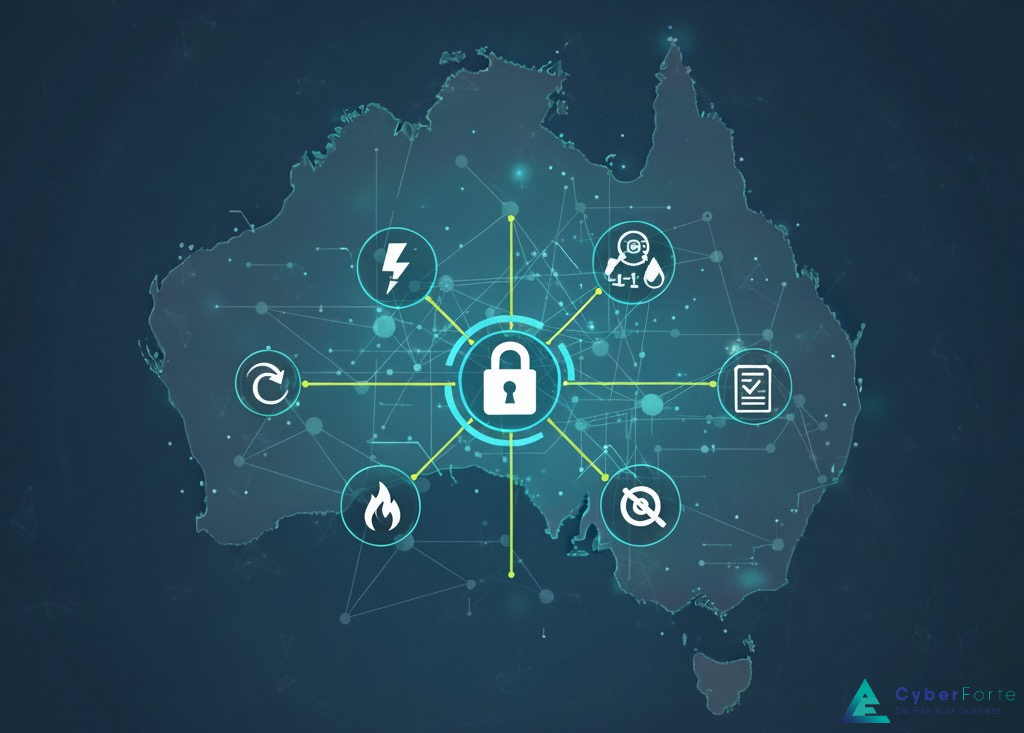
The concept of soci act for infrastructure highlights the importance of protecting systems that are fundamental to national stability. These systems support critical services and any disruption can have widespread consequences across industries and communities.
By implementing SOCI-aligned controls, organisations can strengthen their ability to prevent, detect, and respond to incidents, ensuring continuity and reliability of services.
Value of a Structured Compliance Approach
Adopting a structured approach to SOCI enables organisations to improve visibility into risks, strengthen governance, and enhance incident response capabilities. It also helps build confidence among regulators, stakeholders, and partners.
Over time, organisations that embed these practices into their operations benefit from improved resilience, reduced risk exposure, and a stronger security posture.
How Cyber Forte Supports Your Journey
Cyber Forte works closely with organisations to simplify SOCI implementation by identifying gaps, designing practical controls, and supporting ongoing compliance efforts.
Our Approach
01
Asset Identification and Applicability
Understanding which systems fall within SOCI scope.
02
Current State Assessment
Evaluating existing controls and identifying gaps.
03
Risk Program Development
Designing structured risk management frameworks.
04
Implementation Support
Deploying policies, controls, and technical safeguards.
05
Validation and Readiness
Ensuring alignment with regulatory expectations.
06
Continuous Improvement
Maintaining and enhancing compliance over time.
Building a Resilient Future
The SOCI framework reflects a broader shift toward resilience and preparedness. Organisations that proactively align with these requirements are better positioned to manage risks and maintain operational stability.
Get Started
Understanding and implementing SOCI requirements does not have to be complex. With the right approach and guidance, organisations can confidently achieve compliance while strengthening their overall security posture.